Welcome to this Guide to the Best Attractions in the Historic Center of Viterbo and the Tuscia Region.
Historic Center of Viterbo
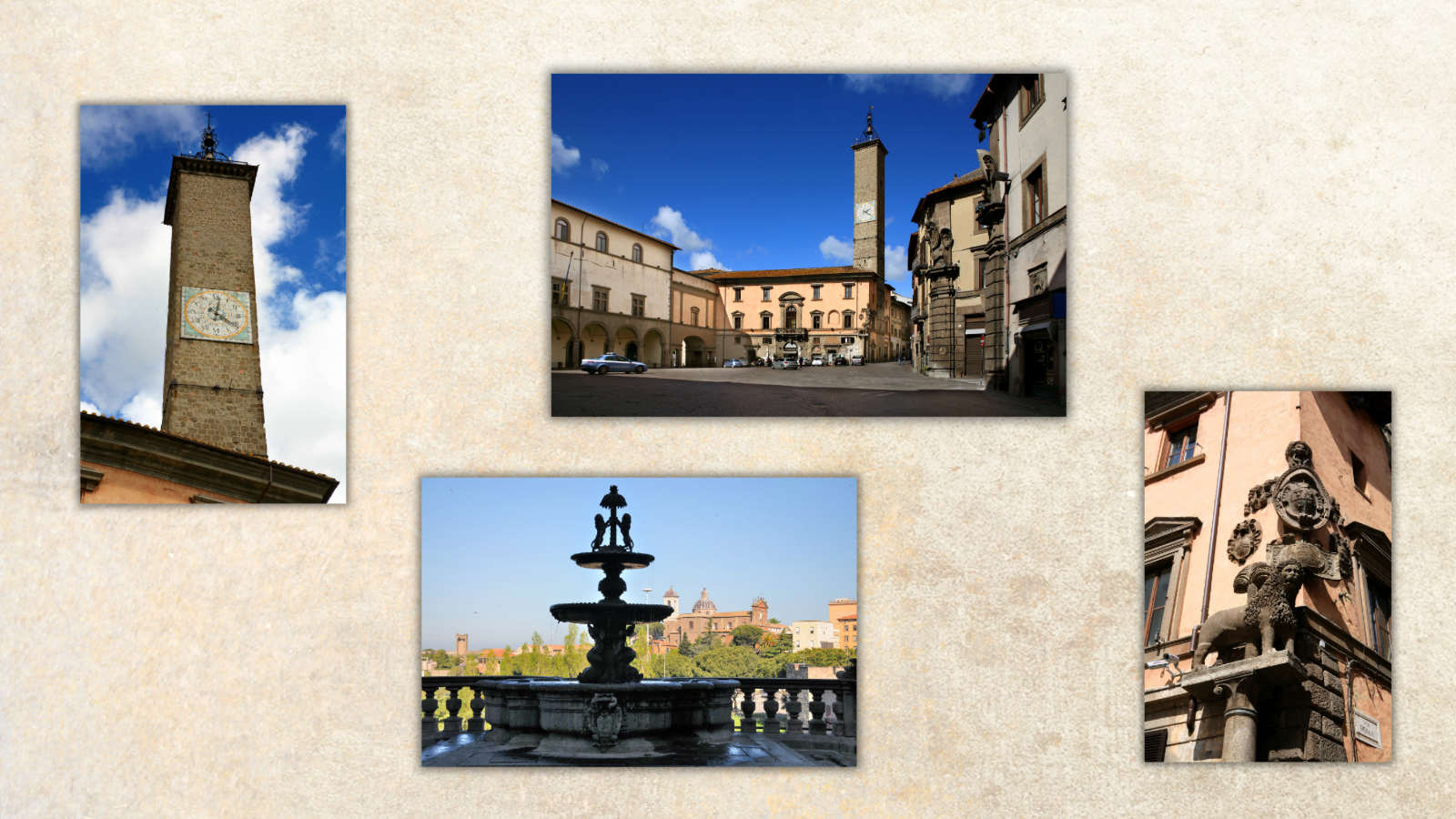
The historic center of Viterbo is a treasure of medieval architecture. It hosts famous landmarks such as the Cathedral of San Lorenzo, a Romanesque cathedral with a 16th-century facade and a Gothic-Tuscan bell tower, and the Palazzo Papale, known for hosting numerous papal conclaves, including the one in 1271.
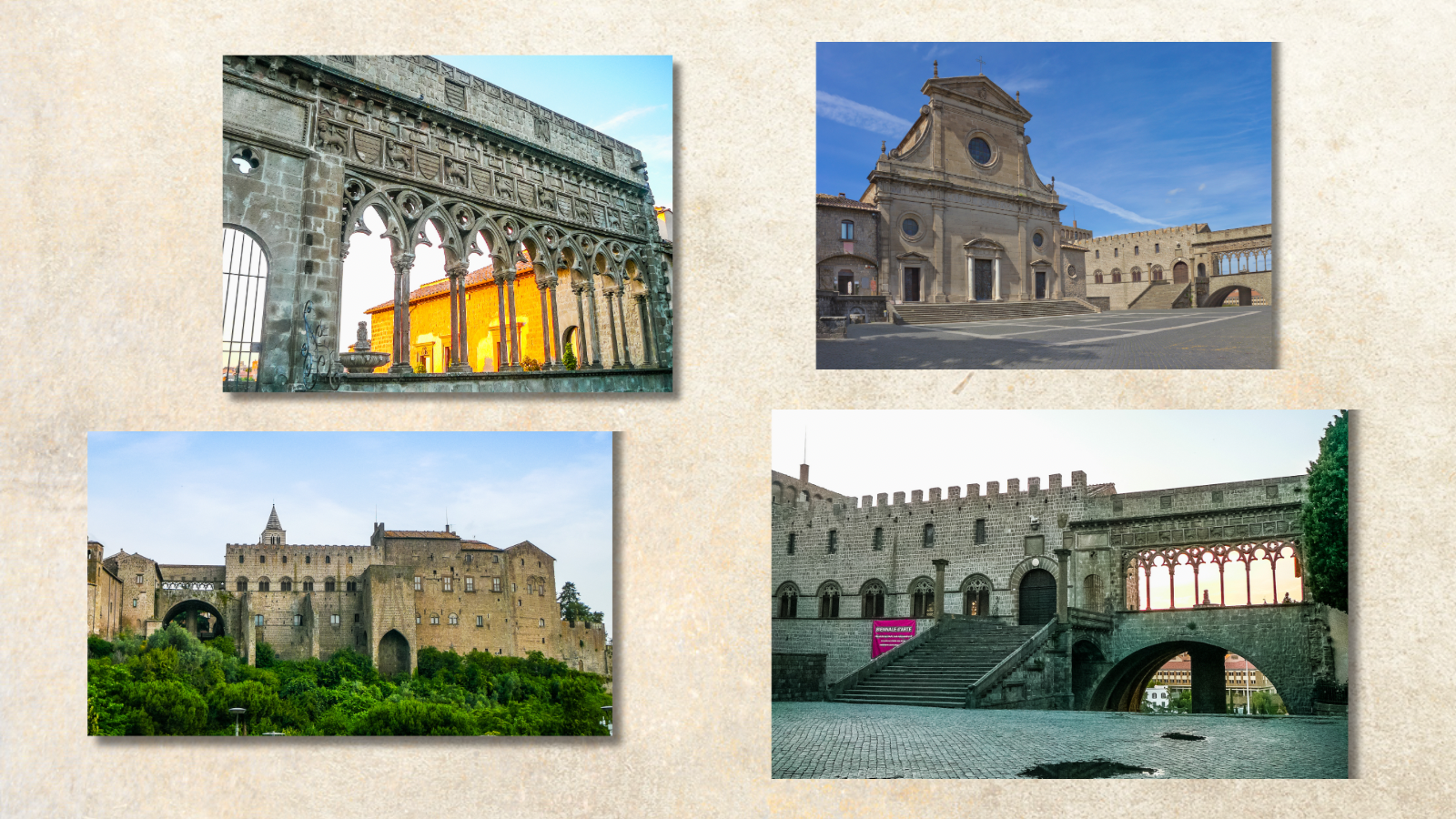
Piazza della Morte
Piazza della Morte features one of the oldest fountains in Viterbo, dating back to the early 13th century, and the Loggia of the Palazzo di San Tommaso from the 13th century.
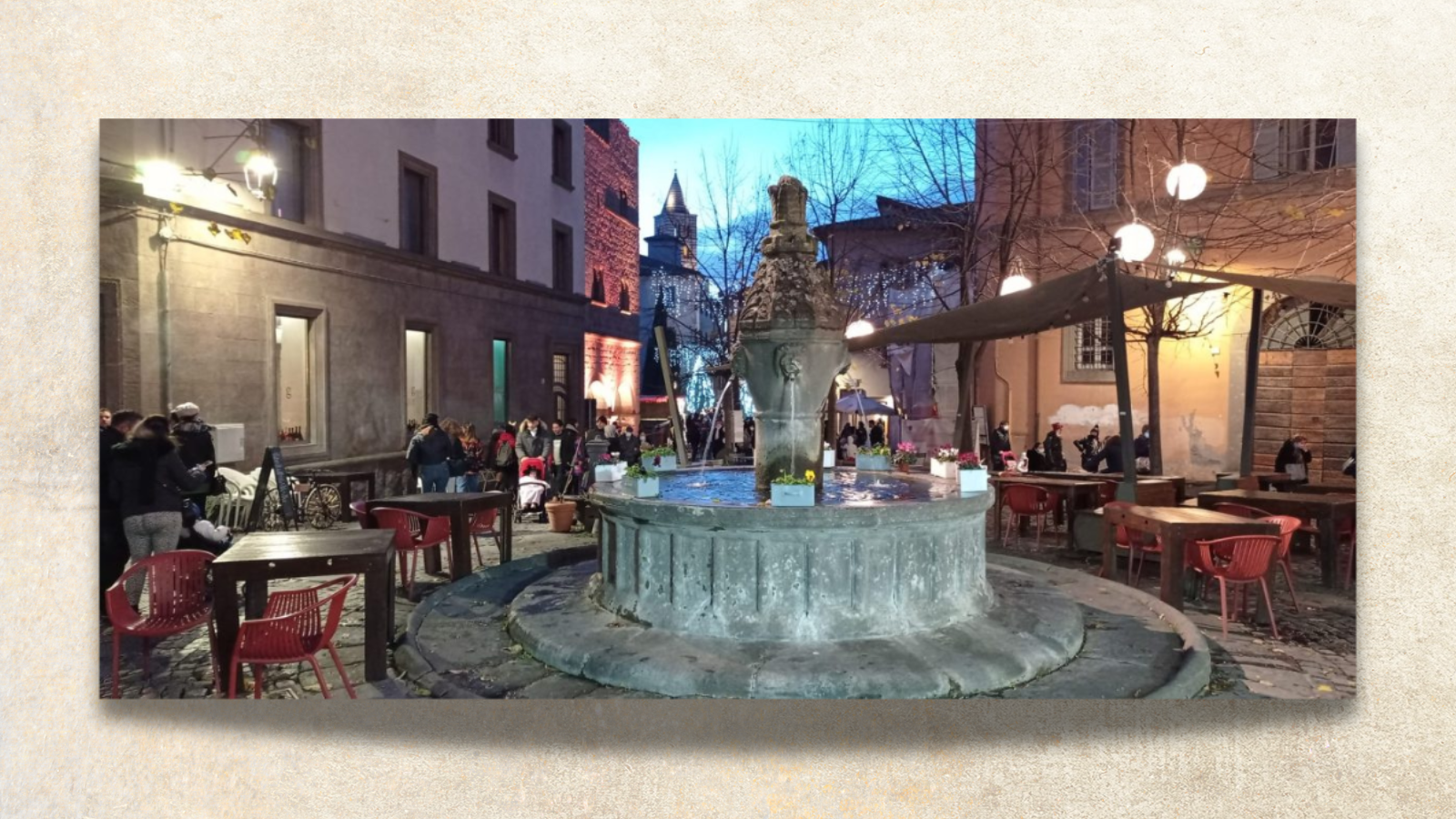
San Pellegrino District
The medieval district of San Pellegrino is one of the best-preserved in Italy. Characterized by small squares, alleys, arches, and towers, it offers a scene of rare beauty. Don’t miss the Palazzo degli Alessandri, with its charming balcony.
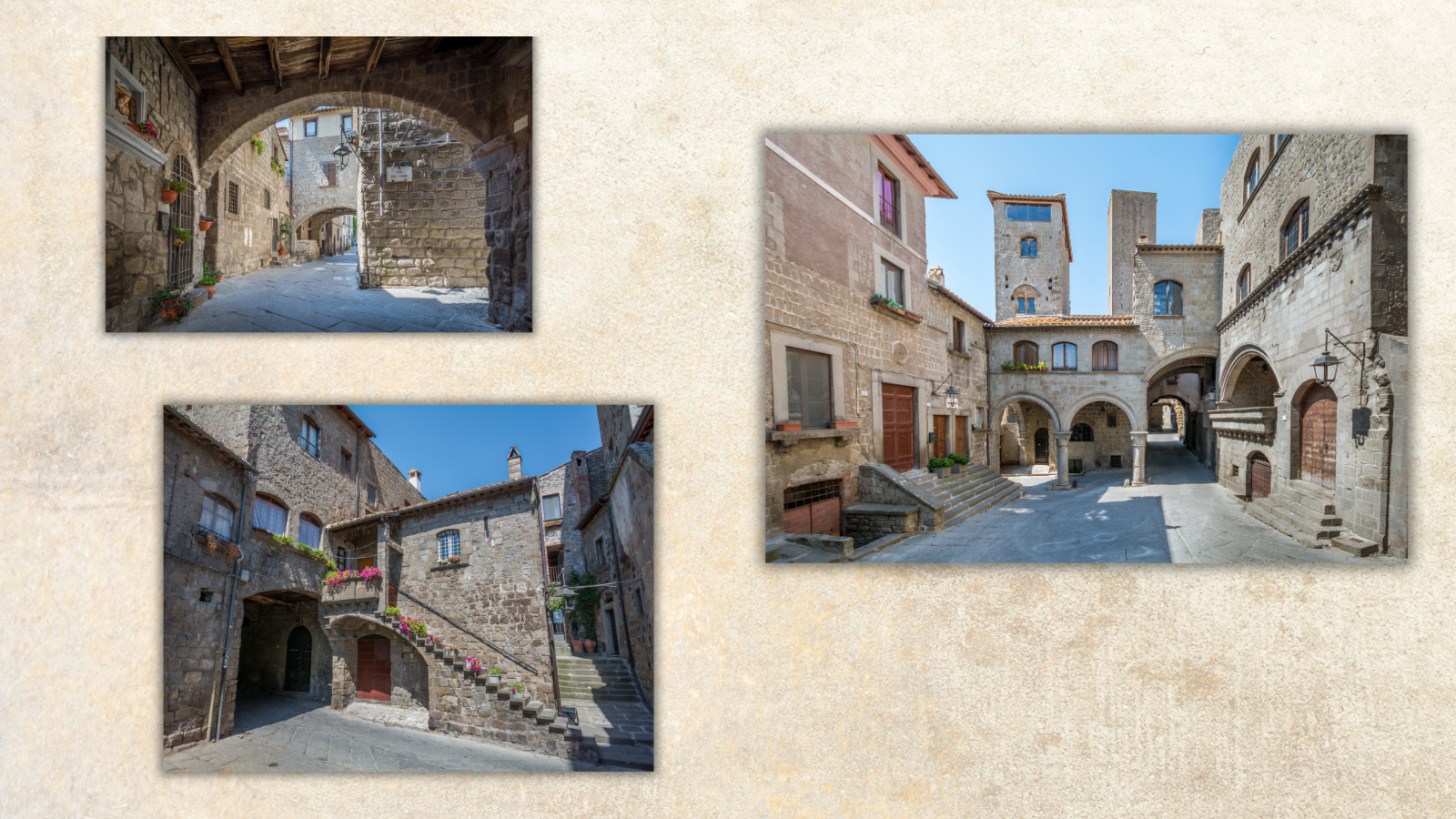
Church of Gesù
The Church of Gesù, dating back to the early 11th century, is famous for being the site of the assassination of Henry of Cornwall, an episode narrated by Dante in the Inferno.
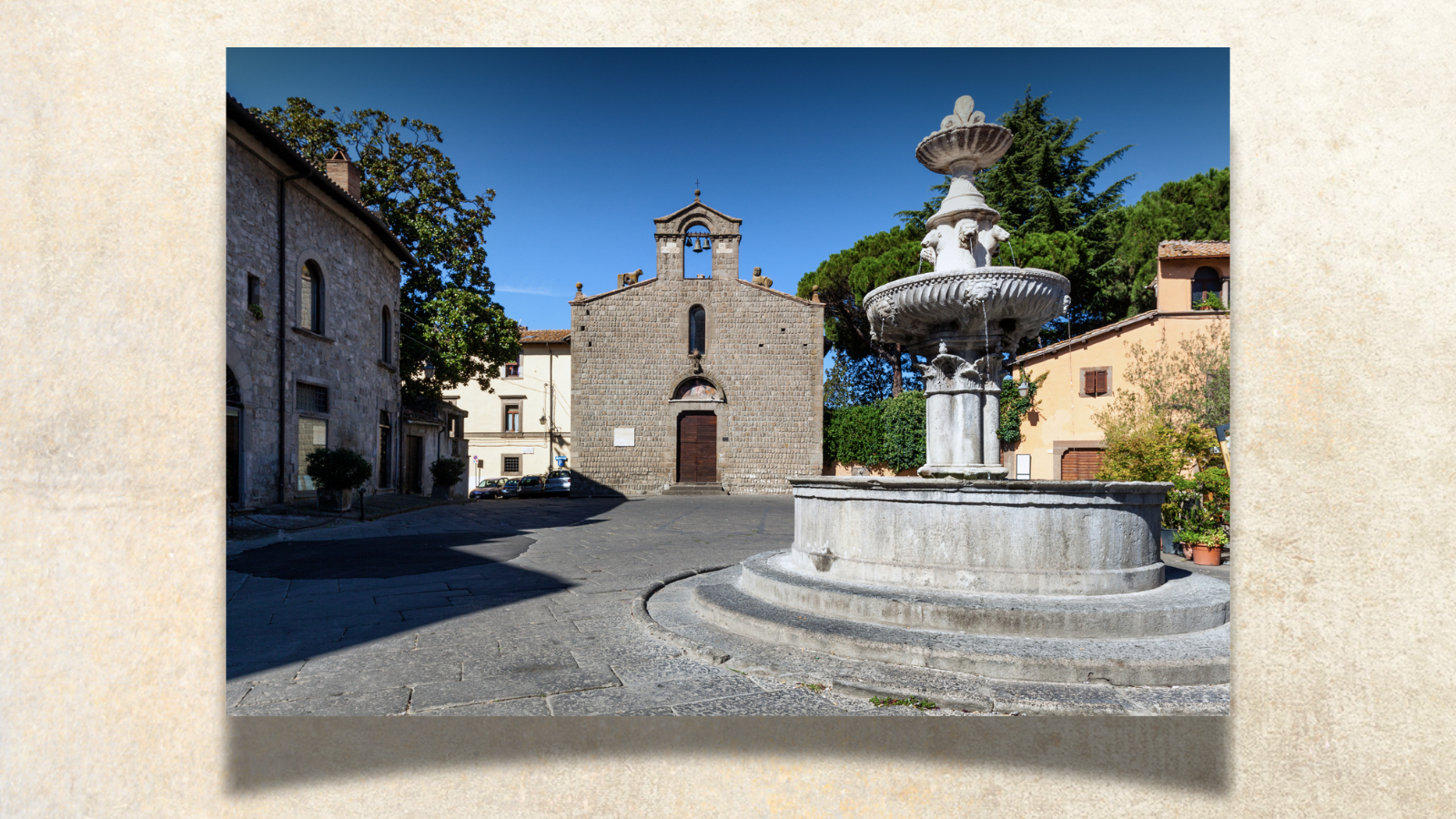
Piazza del Plebiscito
Piazza del Plebiscito is the administrative and political heart of Viterbo. It hosts the Palazzo dei Priori, with late 16th-century frescoes, and the church of S. Angelo in Spata.
Terme di Viterbo
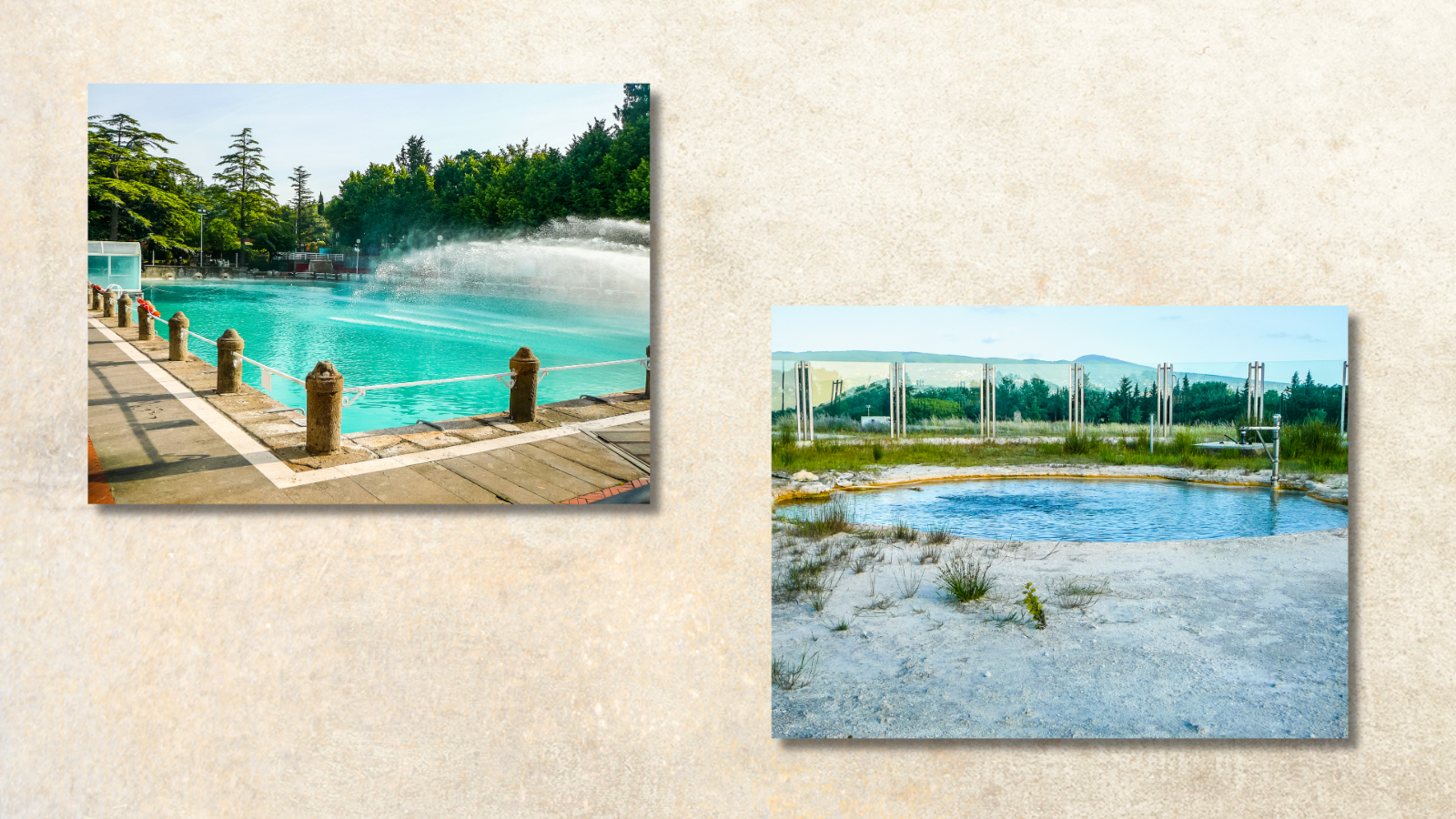
The thermal baths of Viterbo are celebrated even by Dante in the Divine Comedy: “Quale del Bulicame esce ruscello…” (Inferno, Canto XIV). The city hosts the renowned Terme dei Papi and Terme Salus, offering a wide range of therapeutic treatments thanks to the hyperthermal waters of Bulicame, with temperatures ranging from 40° to 56°. The sulfurous waters, rich in minerals, are ideal for thermal baths even in winter. The facilities offer anthrotherapy, inhalation therapies, mud baths, massages, dermatology, cosmetology, balneotherapy, and treatments for peripheral vascular diseases.
Via Francigena in Viterbo
The historic Via Francigena passes through Viterbo, offering pilgrims the chance to explore the suggestive medieval landscape and numerous historical sites along the route.
Botanical Garden of Viterbo
The Botanical Garden of Viterbo is an oasis of peace where you can admire a wide variety of plants from around the world, ideal for a relaxing and educational walk.
San Martino al Cimino
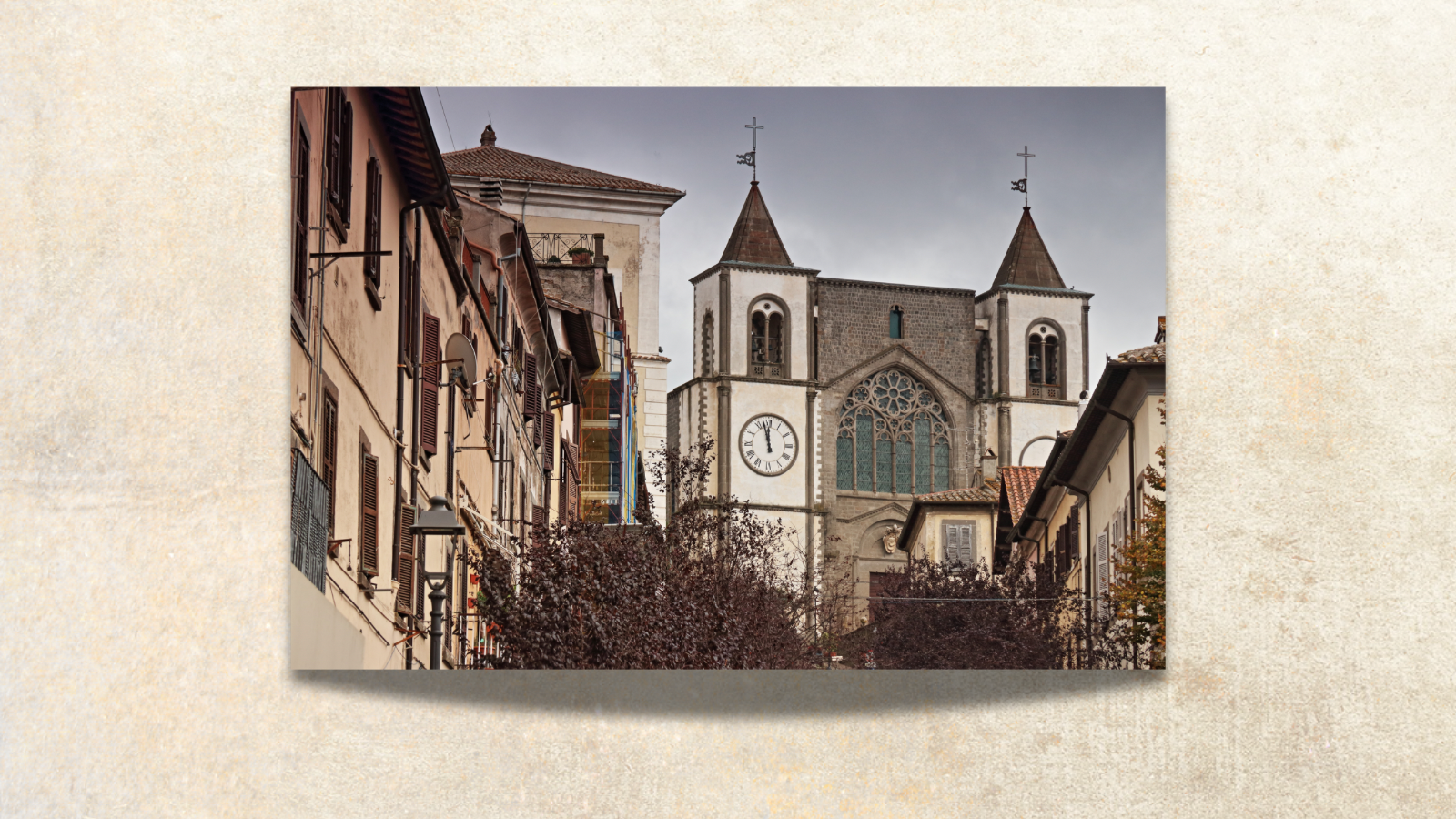
The 17th-century village of San Martino al Cimino is dominated by the abbey church and the Doria-Pamphili Palace, a testament to an ancient Cistercian abbey.
Villa Lante
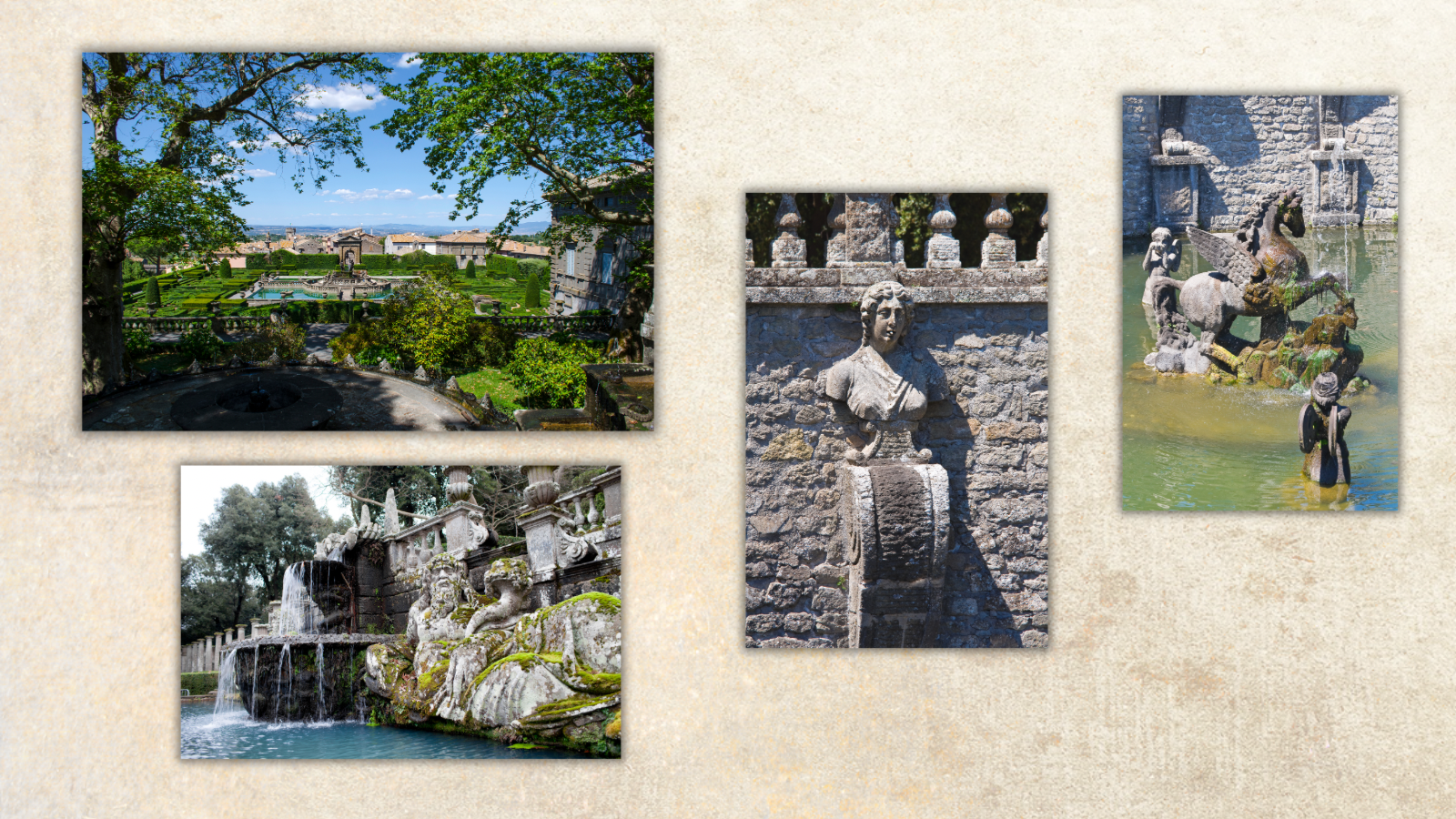
In Bagnaia, a few kilometers from Viterbo, Villa Lante is a masterpiece of Renaissance art. Its Italian gardens, with numerous fountains and water features, offer an enchanting place for moments of relaxation.
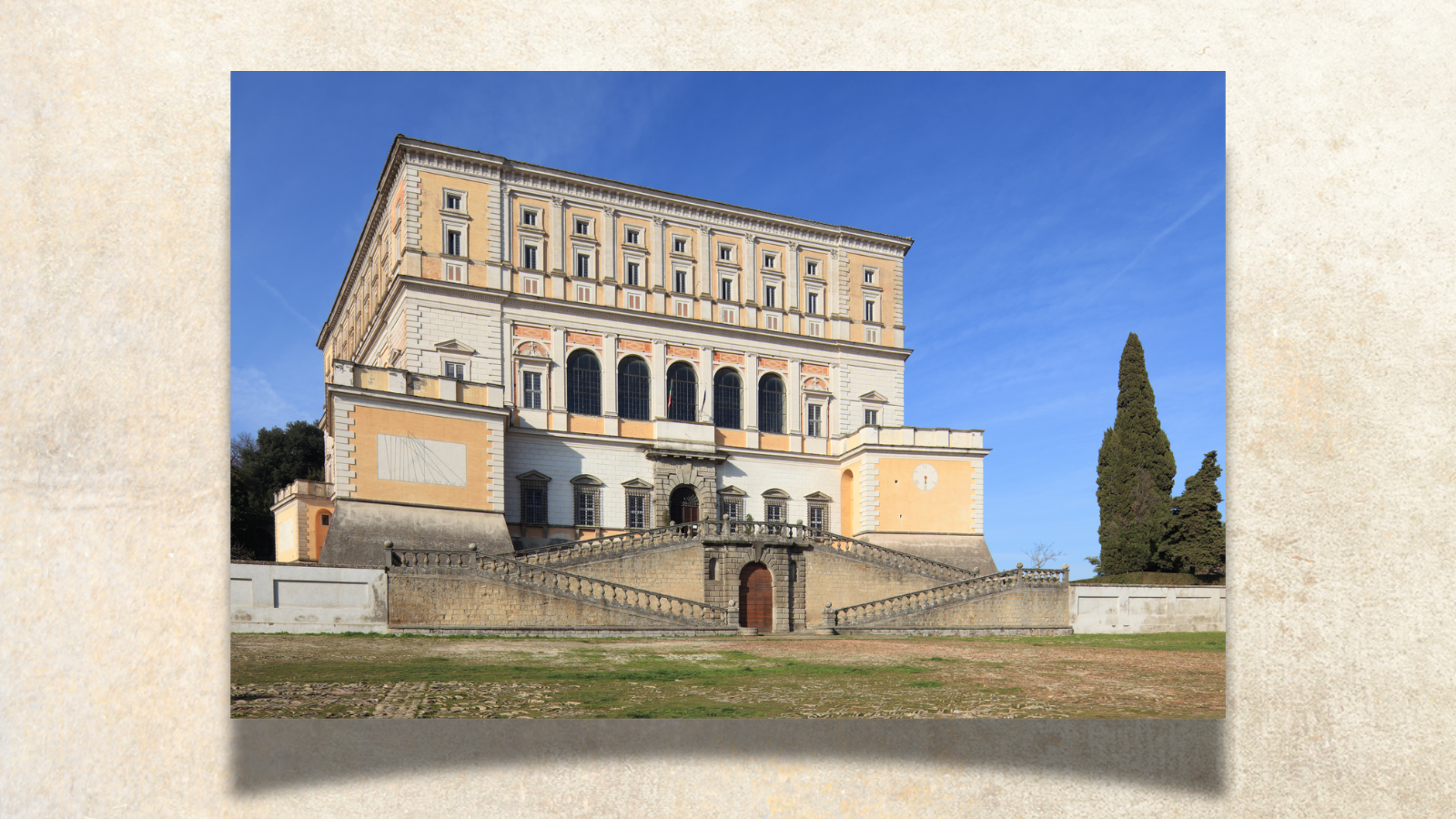
Palazzo Farnese in Caprarola
One of the jewels of Renaissance architecture, Palazzo Farnese in Caprarola is famous for its terraced gardens and the vignolesque building by Jacopo del Duca.
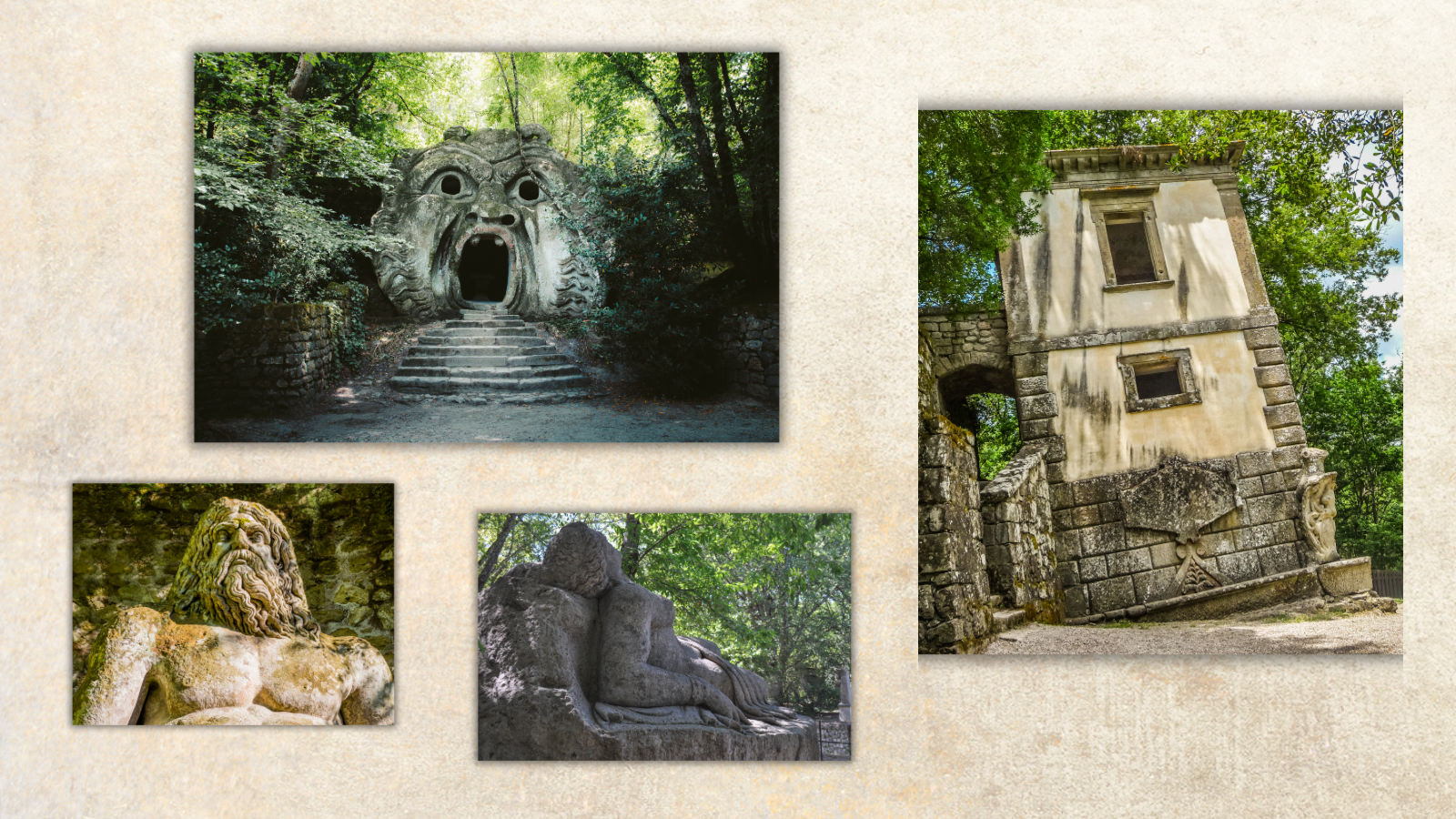
Park of the Monsters in Bomarzo
Also known as Sacro Bosco, the Park of the Monsters is a hermetic garden rich in enigmatic sculptures, created by Vicino Orsini. It is a fascinating place that invites reflection and discovery.
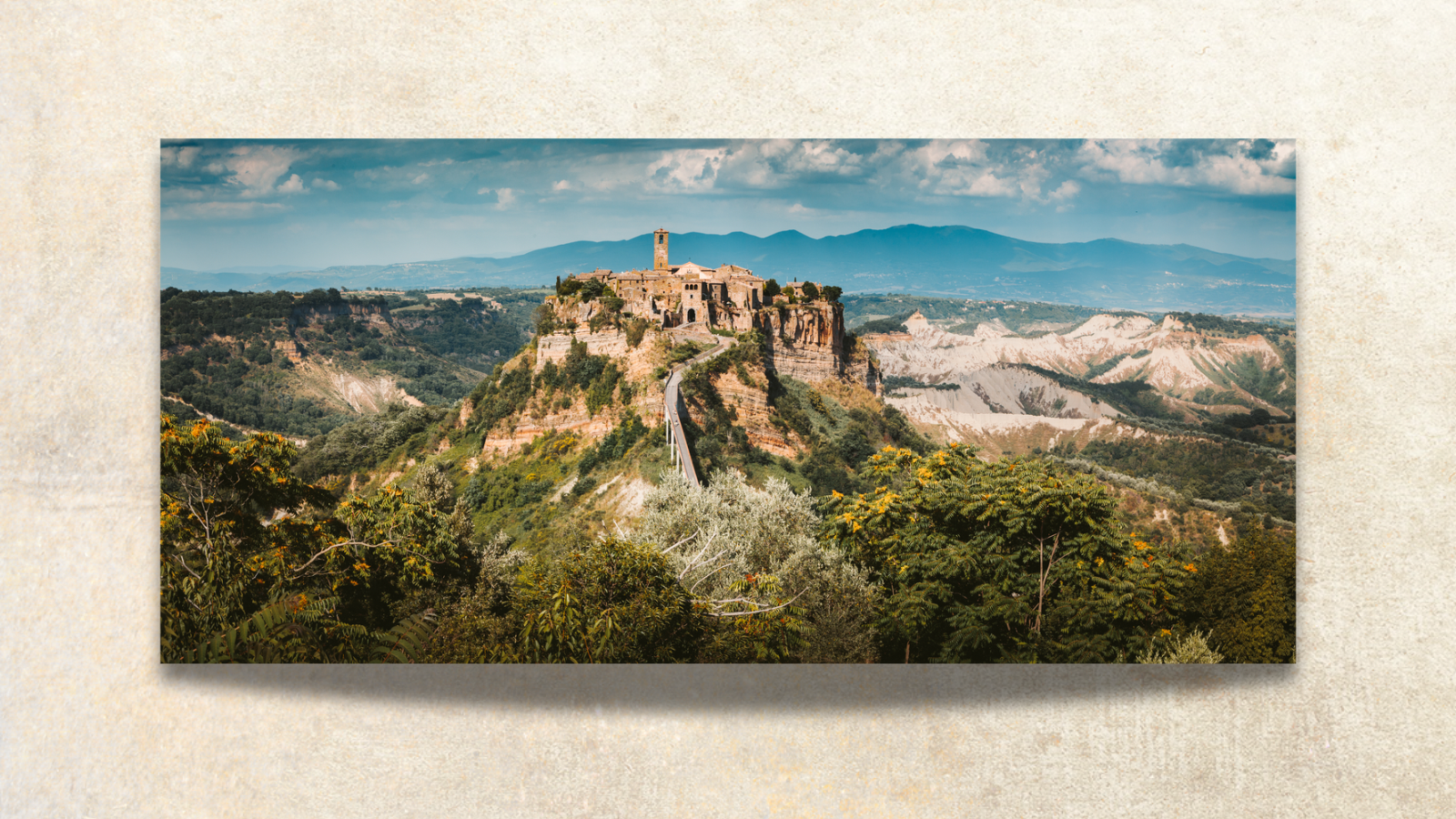
Civita di Bagnoregio
Known as “the dying city,” Civita di Bagnoregio is a medieval village accessible only by a pedestrian bridge. It offers breathtaking views of the underlying valley.
Lake Bolsena
Lake Bolsena, the largest volcanic lake in Europe, is surrounded by picturesque villages like Capodimonte, Marta, and Bolsena. The Bisentina Island, in the middle of the lake, is a place of rare beauty.
Lake Vico
Formed by the collapse of a volcano, Lake Vico is surrounded by a natural reserve perfect for hiking, horseback riding, or mountain biking.
Tuscania
Famous for its Romanesque churches of San Pietro and Santa Maria Maggiore, Tuscania offers a rich Etruscan history documented by the numerous necropolises in the surroundings.
Etruscan Cities
The Tuscia region is rich in Etruscan testimonies, with cities like Tarquinia, famous for its painted tombs, and Vulci, with its archaeological park and the François tomb.
Ferento
A few kilometers from Viterbo, the ruins of Ferento include a theater from the Augustan period and other Roman structures of great historical interest.
Castel d’Asso
Castel d’Asso, a rock-cut Etruscan necropolis located near Viterbo, is known for its tombs carved into tuff rock.
Norchia
An Etruscan-Roman settlement with unique rock-cut tombs, Norchia is situated along the Via Clodia. It is a place of great suggestion immersed in nature.